


The World Cup final score can be remembered, but that rarely explains why a moment lasts decades
Football history is full of goals, penalties, saves, fouls, missed chances, celebrations, and heartbreaks. Some are neatly recorded. Other fans remember where they were, who they watched with, and how the room felt when everything changed.
This is the instance where World Cup storytelling outperforms match reports. Legendary moments frequently go beyond technical skill. Tension precedes the action, personality during, and meaning after the whistle blows. The aim may be brief, but its story might span generations and languages.
The Build-Up Gives the Moment Weight
Legendary World Cup moments rarely begin with a goal. Pressure, history, rivalry, expectation, or doubt initiates it. National hopes may be on a team. A player may be recovering from criticism. Some nations return to the tournament after years of disappointment. Fans see the pitch differently due to invisible weight.
The same aim can feel different in different situations. Group-stage late winners are dramatic. A late winner after national anguish has more to say. The match clock, opponent, tournament stage, and public mood provide depth.
Great Moments Need People
When people can attribute football to someone, it’s unforgettable. A classic World Cup scenario typically has a central character. A young player announcing himself, an old captain following one last dream, a goalie under pressure alone, or a substitute that turns out to be an unlikely hero.
These stories feel personal, so fans connect. Talent counts, but fear matters too. So does courage. Frustration and redemption. Belief. The World Cup is a powerful platform for these feelings. Player or management reactions before or after penalties or goals can be as memorable as the action.
Heartbreak becomes legendary because of this human trait. When they accurately depict the pain of the game, missed penalties, red cards, and near misses can live in football memory. Not every iconic moment is the winner’s. In some tournaments, the losing team creates memorable visuals.
The Crowd Creates Atmosphere
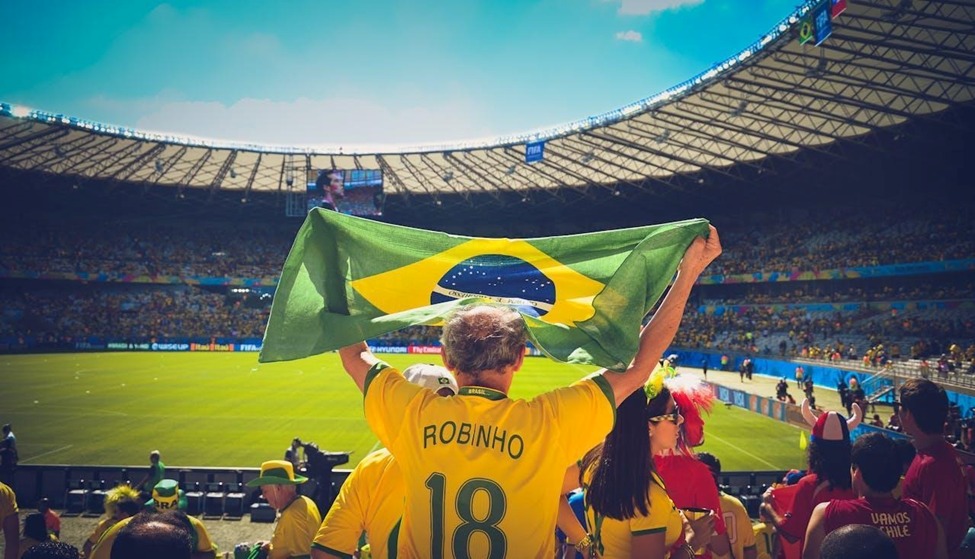
World Cup moments are energized by viewers. Stadium noise, banners, chants, quiet, horror, and celebration shape memories. A goal scored in front of a loud crowd seems different than a clip. Sounds and reactions add to the scene.
The crowd goes beyond the stadium. Home, bar, public plaza, office, and street fans create emotion. Many remember World Cup moments through others. The shout before the replay, the hush after a miss, or strangers rejoicing together are memories. This unified reaction distinguishes a decent sporting moment from a legend. A memorable moment makes millions of people realize its significance simultaneously.
Meaning Grows After the Match
Some events become legendary instantly. Replays, documentaries, interviews, photos, and fan conversations preserve these events. Each recount provides context. The documentary reveals players’ emotions, the team’s struggles, and the meaning of the result at home. This approach does not diminish the original sentiment. This deepens it. The best World Cup memories are more than suspenseful and can be rewatched. Character, significance, and atmosphere are conveyed.
When Games Become Memory
Skill seldom makes a World Cup moment legendary. Actions with urgency, individuality, audience passion, and lasting meaning are memorable. Scorelines can’t explain why a goal, save, miss, or celebration becomes football history.
The World Cup is strong because it creates shared memories. A few seconds on the pitch can hold years of hope, anxiety, struggle, and identity. The best World Cup moments live on beyond the whistle. They give fans something to recall and relive.
ALSO, READ: Nano Machine Chapter 305 release date and time, spoilers, where to read online